1. Introduction to Virtual Classrooms Reimagined for Education
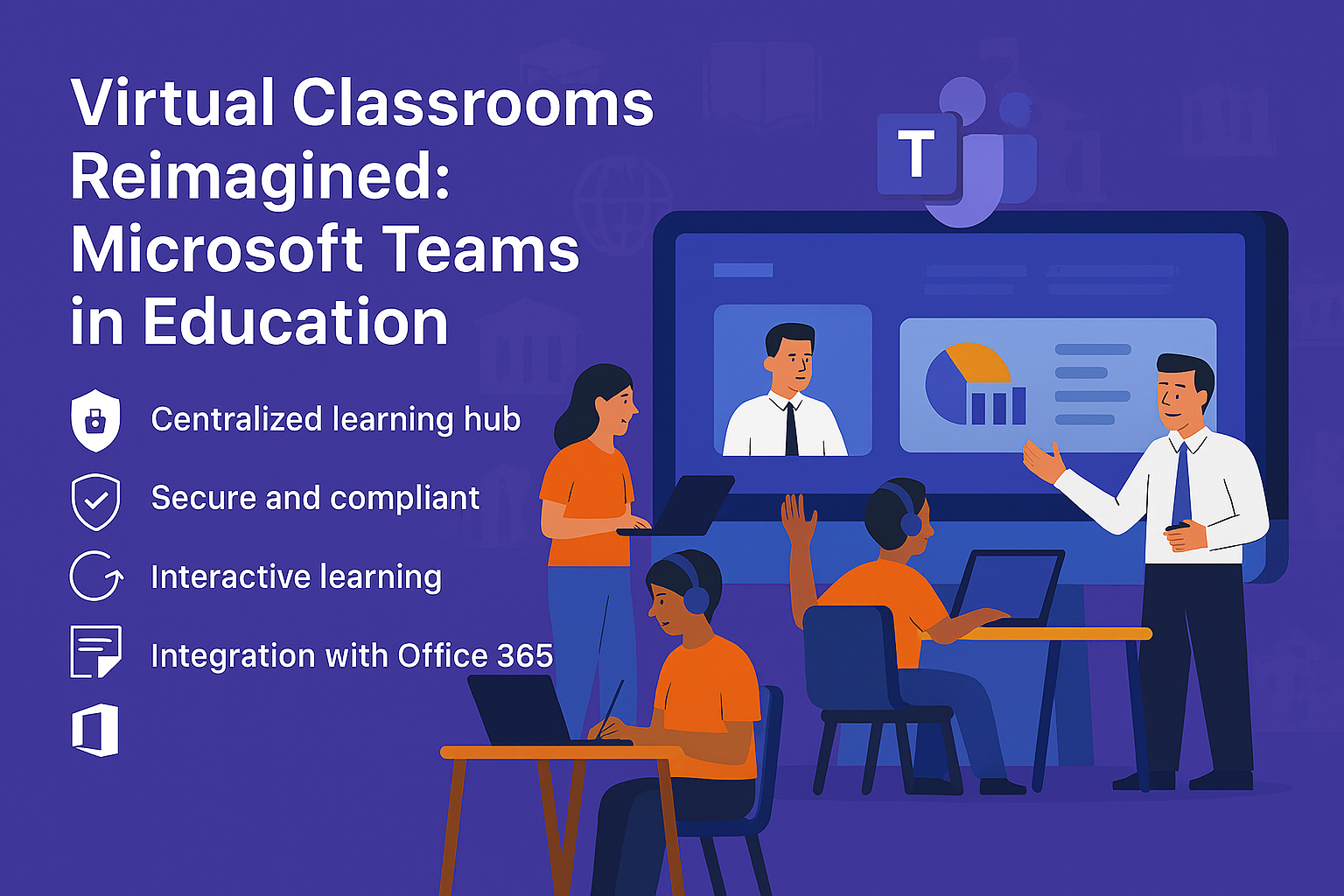
Virtual Classrooms Reimagined for Education is about creating engaging, interactive, and secure online learning environments. Traditional online classes often lack collaboration and real-time engagement. Microsoft Teams changes that by offering tools that make virtual learning dynamic and inclusive.
Why Are Virtual Classrooms Important?
- Accessibility: Enable learning from anywhere.
- Engagement: Foster collaboration and active participation.
- Flexibility: Support hybrid and remote learning models.
Virtual Classrooms Reimagined for Education empower educators to deliver high-quality learning experiences beyond physical boundaries.
2. Why Microsoft Teams?
Microsoft Teams is a secure, enterprise-grade collaboration platform designed for education. It combines video conferencing, chat, file sharing, and integrated apps to create a complete virtual classroom solution.
Why Use Microsoft Teams for Education?
- Interactive Learning: Real-time video and chat features.
- Secure Collaboration: Built-in compliance and data protection.
- Integration: Works with Microsoft 365 and education apps like OneNote and Flip.
- Scalability: Suitable for schools, universities, and online programs.
3. 10 Ways Microsoft Teams Enhances Virtual Classrooms
Here are ten practical ways Microsoft Teams reimagines virtual learning:
1. Live Video Classes
Host interactive sessions with HD video and audio.
Benefit: Creates a real classroom feel online.
2. Breakout Rooms
Divide students into smaller groups for discussions.
Benefit: Encourages collaboration and peer learning.
3. Integrated Assignments
Create, distribute, and grade assignments within Teams.
Benefit: Streamlines academic workflows.
4. Secure File Sharing
Share study materials and resources securely.
Benefit: Protects student data and intellectual property.
5. Attendance Tracking
Automatically record attendance during sessions.
Benefit: Simplifies administrative tasks.
6. Real-Time Polls and Quizzes
Engage students with interactive polls and quizzes.
Benefit: Improves participation and feedback.
7. Immersive Reader
Support inclusive learning with accessibility tools.
Benefit: Helps students with diverse learning needs.
8. Integration with Learning Apps
Connect apps like Flip, Kahoot, and OneNote.
Benefit: Enhances engagement and creativity.
9. Parent and Guardian Access
Enable secure communication with parents.
Benefit: Improves transparency and involvement.
10. Recorded Sessions
Record classes for future reference and revision.
Benefit: Supports self-paced learning.
4. Key Benefits of Microsoft Teams for Education
- Enhanced Engagement: Interactive tools keep students involved.
- Improved Accessibility: Supports hybrid and remote learning.
- Secure Collaboration: Compliance-ready platform for education.
- Streamlined Administration: Integrated assignments and attendance.
- Scalability: Works for small classes and large institutions.
5. Common Use Cases
- Virtual Lectures: Host live classes for remote students.
- Group Projects: Use breakout rooms for collaborative work.
- Homework Submission: Manage assignments digitally.
- Parent-Teacher Meetings: Conduct secure virtual conferences.
- Professional Development: Train educators online.
6. Real-World Examples of Microsoft Teams in Virtual Education
Here are detailed examples of how educational institutions use Microsoft Teams:
Example 1: University Online Programs
A global university uses Teams for virtual lectures and breakout rooms.
- Result: Increased student engagement and reduced dropout rates.
Example 2: K-12 Schools
Schools leverage Teams for assignments and parent communication.
- Result: Improved transparency and faster feedback cycles.
Example 3: Vocational Training Centers
Training centers use Teams for interactive quizzes and recorded sessions.
- Result: Enhanced learning outcomes and flexible scheduling.
Example 4: International Language Schools
Language schools integrate Teams with learning apps like Flip and Kahoot.
- Result: More engaging lessons and better student performance.
7. Step-by-Step Guide to Setup Microsoft Teams
Follow these steps to implement Teams for virtual classrooms:
- Sign in to Microsoft Teams: Access via Microsoft 365 portal.
- Create Class Teams: Organize by subject or grade.
- Enable Assignments and Attendance: Configure settings for academic workflows.
- Integrate Learning Apps: Add tools like OneNote and Flip.
- Train Educators and Students: Provide onboarding sessions.
Pro Tip: Use Teams Education templates for faster setup.
8. Best Practices
- Use Breakout Rooms Effectively: Encourage group discussions.
- Enable Notifications: Ensure students receive updates.
- Apply Role-Based Access: Protect sensitive student data.
- Regularly Review Engagement Metrics: Improve teaching strategies.
- Promote Accessibility Tools: Support diverse learning needs.
9. Challenges and How to Overcome
While Teams simplifies virtual learning, institutions may face challenges:
- User Adoption: Provide training and support for educators.
- Integration Complexity: Use certified connectors for learning apps.
- Cost Management: Monitor premium feature usage.
- Compliance Updates: Stay informed about education regulations.
Solution: Start with core features and scale gradually.
10. Conclusion
Microsoft Teams reimagines virtual classrooms by offering interactive learning, secure collaboration, and integrated academic tools. Educational institutions that adopt Teams gain a competitive edge in delivering engaging and inclusive learning experiences.
🚀 Ready to Reimagine Your Classroom?
Whether you’re teaching a small group or managing a large institution, Microsoft Teams can transform your virtual learning experience.
👉 Let Motekx help you get started.
We specialize in digital transformation for education—offering free consulting, custom Teams setups, and end-to-end IT solutions tailored to your needs.
📞 Contact us today to schedule a free discovery session.
📧 Email: info@motekx.be
Let’s build smarter, more connected classrooms—together.