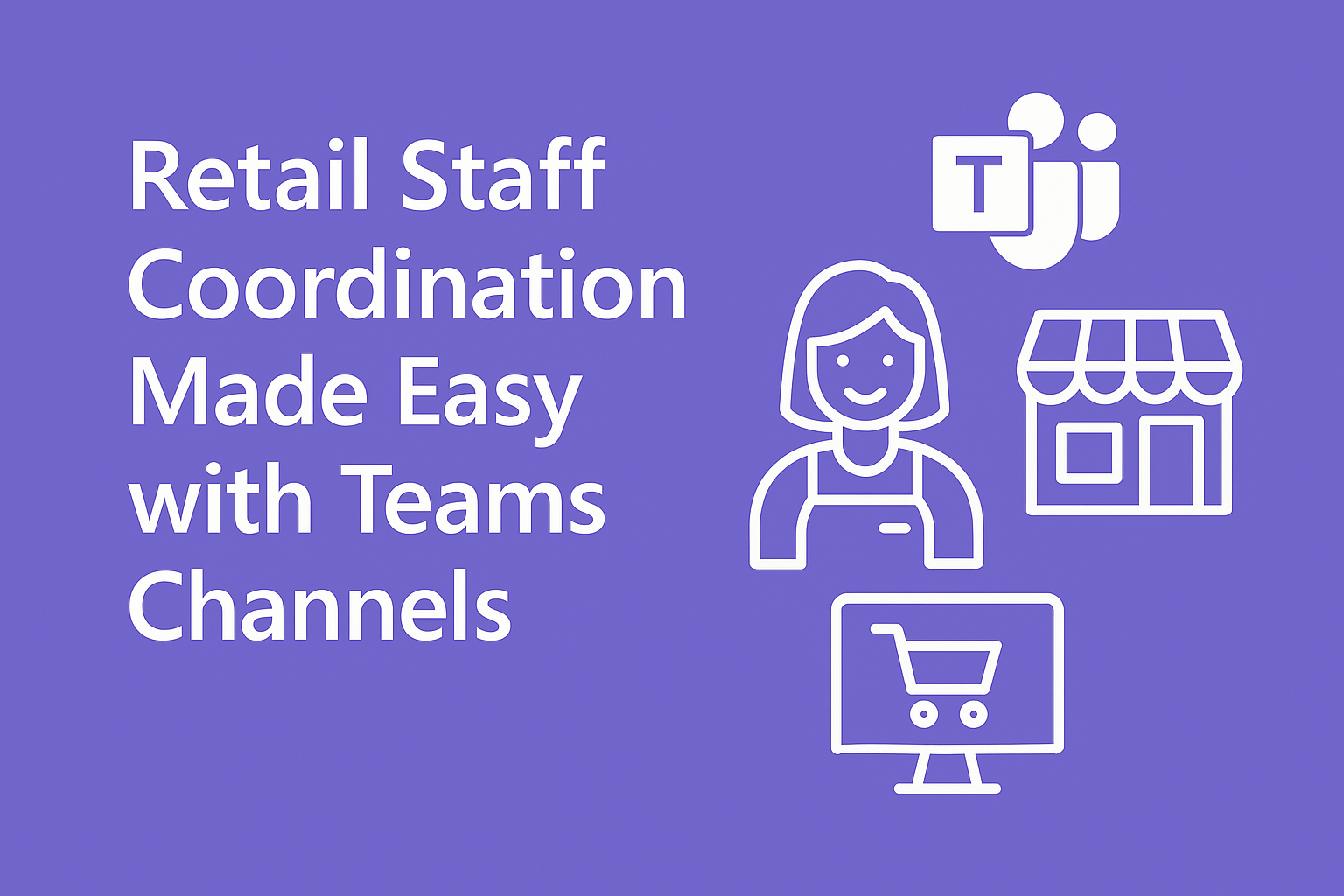
1. Introduction to Retail Staff Coordination Made Easy
Retail Staff Coordination Made Easy is essential for managing store operations, scheduling shifts, and ensuring smooth communication between managers and associates. In a fast-paced retail environment, delays or miscommunication can lead to poor customer experiences and lost revenue.
Why Is Staff Coordination Important?
- Operational Efficiency: Ensure tasks are completed on time.
- Customer Satisfaction: Quick responses improve service quality.
- Employee Engagement: Clear communication reduces stress and confusion.
Focus Keyword at the start: Retail Staff Coordination Made Easy helps retailers streamline workflows and improve team productivity.
2. Why Microsoft Teams?
Microsoft Teams is a secure, enterprise-grade collaboration platform that combines chat, video conferencing, file sharing, and scheduling tools—all in one place.
Why Use Microsoft Teams for Retail?
- Real-Time Communication: Instant messaging and video calls.
- Shift Scheduling: Integration with Shifts app for workforce management.
- Mobile Access: Perfect for on-the-go retail staff.
- Secure Collaboration: Built-in compliance and data protection.
3. 10 Ways Microsoft Teams Improves Retail Staff Coordination
Here are ten practical ways Microsoft Teams makes retail coordination easy:
1. Instant Messaging
Enable quick communication between store associates and managers.
Benefit: Reduces delays in task execution.
2. Video Meetings
Conduct virtual huddles for daily briefings.
Benefit: Saves time and ensures clarity.
3. Shift Scheduling with Shifts
Manage employee schedules directly in Teams.
Benefit: Avoids conflicts and improves workforce planning.
4. Task Management
Assign tasks and track progress using Planner integration.
Benefit: Enhances accountability and productivity.
5. Secure File Sharing
Share promotional materials and policy documents securely.
Benefit: Keeps everyone updated with the latest information.
6. Mobile App Access
Allow staff to access Teams on smartphones.
Benefit: Perfect for employees on the shop floor.
7. Announcement Channels
Broadcast important updates to all staff.
Benefit: Ensures consistent communication.
8. Integration with POS and Inventory Systems
Connect Teams with retail systems for real-time updates.
Benefit: Improves operational efficiency.
9. Compliance and Audit Features
Maintain logs for HR and compliance audits.
Benefit: Simplifies regulatory reporting.
10. Training and Onboarding
Deliver training sessions via Teams meetings and shared resources.
Benefit: Speeds up onboarding and skill development.
4. Key Benefits of Microsoft Teams for Retail Operations
- Improved Communication: Instant messaging and video calls.
- Better Scheduling: Integrated shift management tools.
- Enhanced Security: Compliance-ready collaboration.
- Increased Productivity: Centralized platform for all tasks.
- Scalability: Works for single stores or large retail chains.
5. Common Use Cases
- Daily Briefings: Conduct quick team meetings before store opening.
- Shift Management: Schedule and swap shifts easily.
- Inventory Updates: Share stock alerts and restocking tasks.
- Promotional Campaign Coordination: Distribute marketing materials securely.
- Employee Training: Host virtual sessions for new hires.
6. Real-World Examples of Microsoft Teams for Retail Coordination
Here are detailed examples of how retail businesses use Microsoft Teams:
Example 1: Global Retail Chain
A multinational retailer uses Teams for shift scheduling and task management across hundreds of stores.
- Result: Reduced scheduling conflicts by 40% and improved task completion rates.
Example 2: Boutique Fashion Store
A small boutique leverages Teams for secure file sharing and announcements.
- Result: Faster rollout of seasonal promotions and improved staff engagement.
Example 3: Grocery Store Network
A grocery chain integrates Teams with inventory systems and POS platforms.
- Result: Real-time stock updates and reduced out-of-stock incidents.
Example 4: Electronics Retailer
An electronics retailer uses Teams for training and onboarding.
- Result: Reduced onboarding time by 30% and improved employee retention.
7. Step-by-Step Guide to Setup Microsoft Teams
Follow these steps to implement Teams for retail staff coordination:
- Sign in to Microsoft Teams: Access via Microsoft 365 portal.
- Create Teams and Channels: Organize by store or department.
- Enable Shifts App: Configure schedules and permissions.
- Integrate Apps: Connect POS, inventory, and HR systems.
- Train Staff: Provide onboarding sessions for Teams usage.
Pro Tip: Use Teams templates for retail operations to speed up setup.
8. Best Practices
- Use Dedicated Channels: Separate communication by store or function.
- Enable Notifications: Ensure staff receive critical updates.
- Apply Role-Based Access: Protect sensitive data.
- Regularly Review Audit Logs: Maintain compliance.
- Promote Mobile Usage: Encourage staff to use Teams on smartphones.
9. Challenges and How to Overcome
While Teams simplifies retail coordination, businesses may face challenges:
- User Adoption: Provide training and support.
- Integration Complexity: Use certified connectors for retail systems.
- Cost Management: Monitor premium feature usage.
- Compliance Updates: Stay informed about retail regulations.
Solution: Start with core features and scale gradually.
10. Conclusion
Microsoft Teams transforms retail staff coordination by offering real-time communication, secure collaboration, and integrated scheduling tools. Retailers that adopt Teams gain a competitive edge in operational efficiency and employee engagement.
🚀How Motekx Can Help
Motekx specializes in implementing Microsoft 365 solutions for retail businesses. From setting up Teams Channels to training your staff, we ensure your digital transformation is smooth and impactful.
📞 Contact us today to schedule a free discovery session.
📧 Email: info@motekx.be
Let’s build smarter, faster, and more connected retail team—together.